

Best overall for sheltered, low-activity use: a substantial fleece military balaclava. Best for exposed wind: a wind-resistant panelled design. Best for walking: a merino wool design. This 2026 guide ranks construction types by their suitability for cold-weather jobs, rather than treating every army-style face covering as equally warm.
- Choose a substantial fleece military balaclava for sheltered stops and low-activity cold-weather use.
- Choose wind-resistant panels for exposed conditions; ordinary fleece is not automatically windproof.
- Choose merino wool for walking when moisture management matters alongside insulation.
- Military Mart is a useful starting point for surplus buyers who prioritise genuine kit and honest condition grading.
- Check face coverage, neck overlap and fit before choosing army surplus headwear by appearance.
Why does the right balaclava matter?
A balaclava covers the head, ears and neck, with an opening for the face or eyes. Its usefulness comes from that coverage as much as its fabric. A warm crown does little for the strip of bare skin between your collar and headwear.
Choose for the job, not the military look. Standing beside a winter camp and carrying a loaded rucksack uphill put different demands on the same piece of kit. Insulation helps at a stop; excess insulation becomes uncomfortable when you work hard.
Military Mart sells genuine ex-military clothing and outdoor kit, with honest condition grading. For a military balaclava purchase in 2026, apply the same discipline: establish the material, origin and condition before judging its usefulness.
What makes the best military balaclava?
These criteria come before the ranking. They tell you whether a particular example suits your use, regardless of its colour or country of origin.
- Insulation: judge fabric thickness, loft and construction together. Fibre name alone does not establish warmth.
- Wind resistance: distinguish an insulating fabric from a wind-resistant panel or membrane. They do different jobs.
- Coverage: look for covered ears and a neck section that stays inside your collar when you turn.
- Moisture handling: choose a design you can ventilate during activity, particularly around the mouth.
- Fit: avoid pressure at the forehead, nose and throat. Check seams beneath other headwear.
- Condition: inspect stretch recovery, stitching and fabric wear. An issue label cannot compensate for damage.
A good choice balances these points. In particular, a thicker balaclava is not automatically better under a close-fitting helmet, and a close fit must not restrict breathing or vision.
Military balaclava types at a glance
The order below starts with sheltered, low-activity warmth, then moves through exposed and active use to low-bulk layering. It is a buying-priority ranking, not a measured thermal league table: thickness, fit and wind exposure can change the result.
| Rank and type | Best for | Standout feature | Key limitation |
|---|---|---|---|
| 1. Substantial fleece | Sheltered stops and camp chores | Lofted fabric for insulation | Ordinary fleece admits wind |
| 2. Wind-resistant panelled | Exposed, low-activity positions | Panels reduce wind penetration | Reduced ventilation in covered areas |
| 3. Substantial wool knit | Traditional cold-weather surplus kit | Insulating knit with stretch | Bulk and next-to-skin feel vary |
| 4. Merino wool | Walking and changing activity levels | Wool fibre manages moisture vapour | Thin versions are not maximum-insulation pieces |
| 5. Thin synthetic | Low-bulk headwear layering | Close-fitting construction | Limited insulation on its own |
Do not read the table as saying that every fleece beats every wool balaclava. Compare actual construction before comparing material names. A thin fleece and a substantial wool knit are different propositions.
1. Substantial fleece: best military balaclava type for sheltered stops
Fleece has a raised surface that traps insulating air. A substantial fleece balaclava is a sensible default for sitting at camp, gentle winter chores and other low-activity jobs where a hood provides protection from wind.
Look at the face opening and neck section first. A thick fabric with a short neck still leaves a gap, while badly positioned seams become noticeable beneath a hat or hood.
Substantial fleece pros:
- Lofted fabric provides useful insulation.
- Soft construction suits direct contact with the skin.
- Coverage can combine head, ear and neck insulation.
Substantial fleece cons:
- Ordinary fleece is not windproof.
- Bulk can interfere with close-fitting headwear.
- A covered mouth collects moisture from breathing.
Best for: sheltered pauses, campsite use and low-output outdoor tasks.
For your 2026 winter kit, prioritise a fleece design that stays in place without being tight. If your route involves sustained uphill walking, carry it for stops rather than assuming it should stay on throughout.
Verdict: Buy for sheltered warmth; skip as your only defence against exposed wind.
2. Wind-resistant panelled: best military balaclava type for exposed positions
A panelled balaclava combines insulation with fabric designed to reduce wind penetration. Panels commonly address exposed areas, but their position and construction need checking on the actual garment.
This is the type to examine for a draughty observation point or an exposed winter stop. Wind protection matters there, but the mouth area must still let you breathe comfortably.
Wind-resistant panelled pros:
- Wind-resistant sections address a weakness of open fleece.
- Zoned construction separates exposed areas from ventilated areas.
- Close coverage protects ears and cheeks from draughts.
Wind-resistant panelled cons:
- Barrier fabrics reduce air movement through covered areas.
- Moisture management depends on panel placement.
- Extra seams can create pressure beneath headwear.
Best for: exposed, low-activity use where wind is the main problem.
Read the wording carefully. Wind-resistant and waterproof describe different properties; neither establishes a temperature rating. Check whether the face section lowers easily without pulling the whole garment out of position.
Verdict: Buy for exposed wind; skip if the construction traps breath or obstructs vision.
3. Substantial wool knit: best military balaclava type for traditional surplus kit
A substantial wool knit provides insulation through its fibre and knitted structure. It is a practical option for buyers who favour traditional issue clothing, provided the garment's composition and condition are clear.
Do not assume that every vintage-looking balaclava is wool or genuine issue. Read the label and description. Knitted fabric also needs checking for holes, stretched openings and repairs.
Substantial wool knit pros:
- Knitted construction provides stretch around the head.
- Wool manages moisture vapour within the fibre.
- A substantial knit suits low-activity cold-weather layering.
Substantial wool knit cons:
- Coarser fibres can irritate sensitive skin.
- Loose knitting allows wind through.
- Thick seams and folds add bulk beneath headwear.
Best for: traditional surplus users who want a substantial knitted cold-weather layer.
Condition is decisive. A stretched face opening loses coverage, and holes weaken the garment regardless of its history. Choose function first unless the item is intended for a collection rather than outdoor use.
Verdict: Buy when composition, fit and condition are clear; skip unidentified fabric sold on appearance alone.
4. Merino wool: best military balaclava type for walking
Merino wool balaclavas suit active layering because wool absorbs and releases moisture vapour. Fine fibres also generally feel softer against the skin than coarse wool, although personal sensitivity still matters.
Choose the construction to match your output. A lightweight merino design belongs in an active layering system; it should not be mistaken for a thick stationary-use balaclava simply because both contain wool.
Merino wool pros:
- Fine fibres suit next-to-skin wear.
- Wool helps manage moisture vapour during activity.
- Low-bulk versions fit beneath compatible headwear.
Merino wool cons:
- Thin versions provide limited standalone insulation.
- Open fabric construction does not stop strong wind.
- Care requirements depend on the particular fabric blend.
Best for: walking and days that alternate between movement and pauses.
For active use in 2026, check that you can uncover your mouth without bunching fabric under your chin. Take a hood or additional insulating headwear for stops rather than asking a thin layer to do every job.
Verdict: Buy for active layering; skip as the sole head layer for prolonged cold, stationary use.
5. Thin synthetic: best military balaclava type for low-bulk layering
A thin synthetic balaclava provides coverage with little fabric bulk. Depending on its construction, it works as a liner beneath suitable headwear or as a light face-and-neck layer during activity.
Its place is last in a warmth-first shortlist because thin construction holds less insulating air than substantial lofted fabric. That limitation is also its purpose: it adds coverage without a thick fold beneath other kit.
Thin synthetic pros:
- Low bulk suits layering.
- Stretch fabrics follow the shape of the head.
- Synthetic fibres absorb little water within the fibre itself.
Thin synthetic cons:
- Thin fabric provides limited insulation alone.
- Wind protection depends on construction, not the synthetic label.
- Tight face sections can direct breath towards glasses.
Best for: low-bulk layering where fit matters more than maximum standalone warmth.
Check the instructions for any protective headwear before adding a liner. A balaclava must not compromise fit or retention, and it is not protective equipment merely because it looks tactical.
Verdict: Buy as a compatible liner; skip as your main stationary winter insulation.
How were these balaclava types ranked?
This 2026 ranking follows insulation, wind protection, coverage, moisture handling, fit and condition. Substantial fleece is the default for sheltered, low-activity use; wind-resistant construction takes priority when exposure is the main problem.
The other positions reflect distinct jobs, not inferior quality. Substantial wool suits traditional kit, merino suits active layering, and thin synthetic suits low-bulk use. No temperature limit follows from a material name alone.
How should a military balaclava fit?
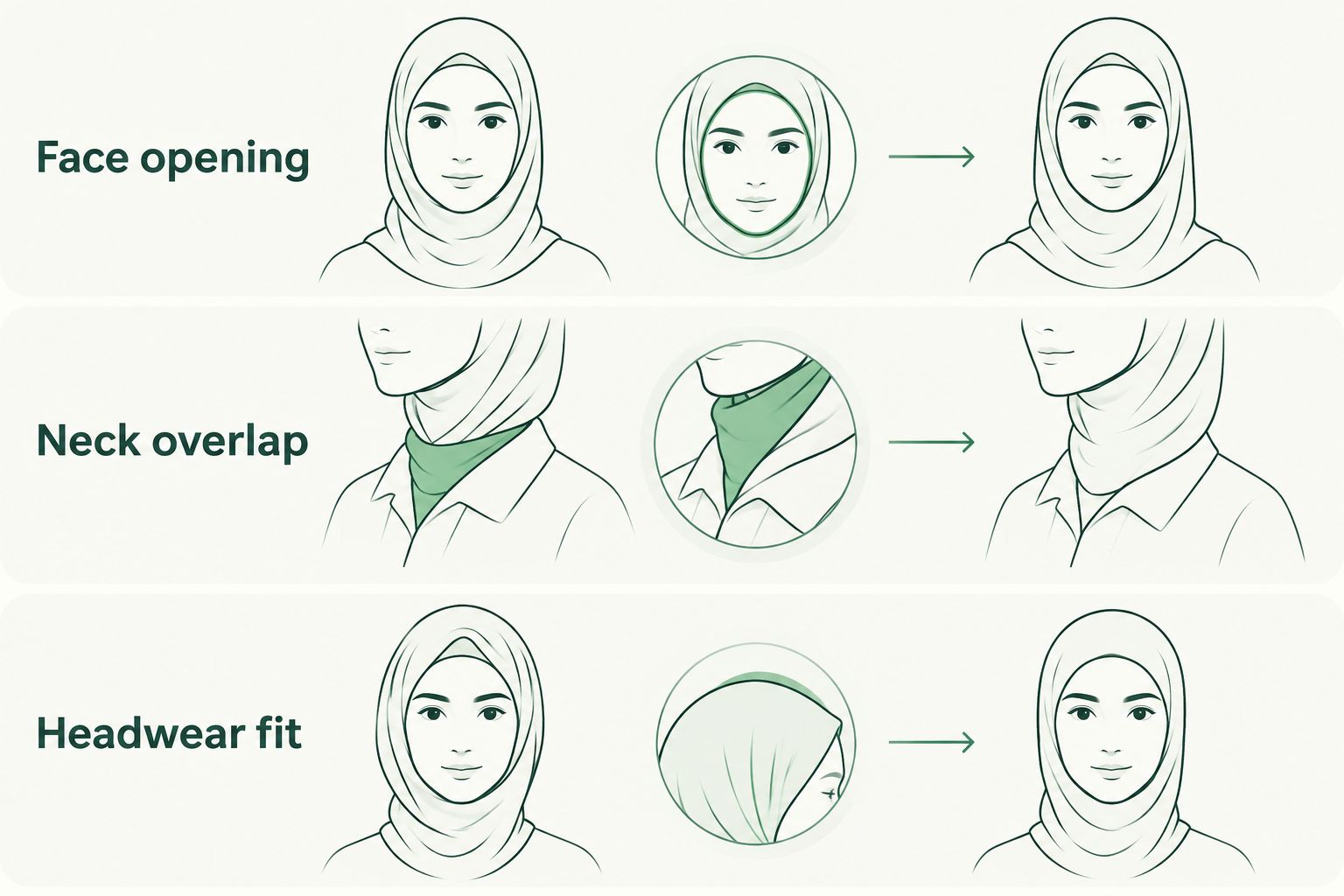
Run 3 fit checks with the jacket and headwear you intend to use. These are movement checks, not a sizing formula. Start with the garment sitting naturally, without pulling the opening into place.
- Face opening: turn your head and look down. Fabric must stay clear of your eyes and leave breathing unrestricted.
- Neck overlap: close your collar, then look left and right. The neck section should remain tucked in without pulling at your throat.
- Headwear fit: put on your usual hat, hood or compatible helmet. Check for seam pressure and follow protective headwear instructions.
Repeat the checks with the mouth covered and uncovered if the design permits both positions. Do not accept a bad fit because the garment is described as one size.
Glasses need their own practical check. Exhaled moisture causes condensation when it meets cooler lenses; fabric that channels breath upwards makes that problem harder to manage. Adjust the opening without sacrificing required eye protection.
What should you check on a surplus balaclava?
Establish origin separately from condition. Genuine issue, reproduction, used and NOS describe different things. New old stock means older unused stock, not a guarantee that storage has left the garment unaffected.
Before using surplus headwear in 2026, inspect the face edge, neck seam and crown. Look for holes, flattened fleece, stretched fabric and damaged stitching. Read the care label before washing; wool and synthetic blends do not all tolerate the same treatment.
Military Mart buys much of its stock direct from the MOD or government and grades condition honestly. That does not make camouflage proof of issue origin: use the guide to identify genuine military surplus from replicas when authenticity matters.
Which military balaclava should you choose?
Choose substantial fleece as the default for sheltered cold-weather stops. Choose wind-resistant panels instead when your main problem is exposed wind, and merino when sustained movement makes moisture handling more important.
For cadet use, check the unit's kit instructions before buying. For airsoft, treat a fabric balaclava as clothing, not impact protection. For winter work, keep it clear of equipment and follow the relevant clothing requirements.
Military Mart's military balaclava buying priority is straightforward: genuine origin where required, clearly described condition, and construction suited to the job. Those checks matter more than a tactical label.
FAQ
What's the best military balaclava for warmth?
A substantial fleece military balaclava is a sensible default for sheltered, low-activity warmth. For exposed wind, prioritise wind-resistant construction instead; fabric thickness, coverage and fit determine the usefulness of the individual garment.
Is a wool military balaclava warmer than fleece?
Wool is not automatically warmer than fleece. Thickness, loft, knit density and wind penetration matter, so compare the actual garments rather than the fibre names alone.
What's the best balaclava for walking in winter?
A merino wool balaclava is a practical choice for active winter layering. Choose a manageable thickness and a face opening you can ventilate, then add insulating headwear or a hood for stops.
Can I wear a military balaclava under a helmet?
Only wear a balaclava under a helmet when the helmet's instructions permit it and the liner does not compromise fit or retention. Thick folds and seams need checking with the complete setup.
Does a military balaclava stop glasses fogging?
A military balaclava does not guarantee fog-free glasses. Warm, moist breath condenses on cooler lenses, so check whether the face opening directs breath upwards and adjust it without removing required eye protection.
Is a military balaclava waterproof?
A military balaclava is not waterproof unless the particular garment is specified as waterproof. Fleece, wool and thin synthetic fabric do not gain waterproof protection simply from military styling.
What should I check before buying a used army balaclava?
Check material, origin, condition, stitching and stretch recovery before buying a used army balaclava. Inspect the face opening and neck section closely, and follow the care label before wear.
Can cadets wear a balaclava for field training?
Cadets should follow their unit's instructions on balaclavas and other cold-weather headwear. Check the kit list before buying, rather than assuming army-style clothing is approved for every activity.
One last thing
Check the collar gap before buying thicker headwear. Turn your head fully while wearing your balaclava and jacket together. If the neck section pulls out, solve the coverage problem rather than adding more fabric over your crown.
That is the useful final test for your 2026 kit: does the garment stay comfortable and covered when you move? Warmth on the shelf is not the same as warmth in use.


Leave a comment